Your Safer First Meetup Checklist: Location, Rides, and Backup Plans
A practical, step-by-step checklist for meeting a match in person safely, covering where to go, how to get there, and who should know your plans.
Sponsored
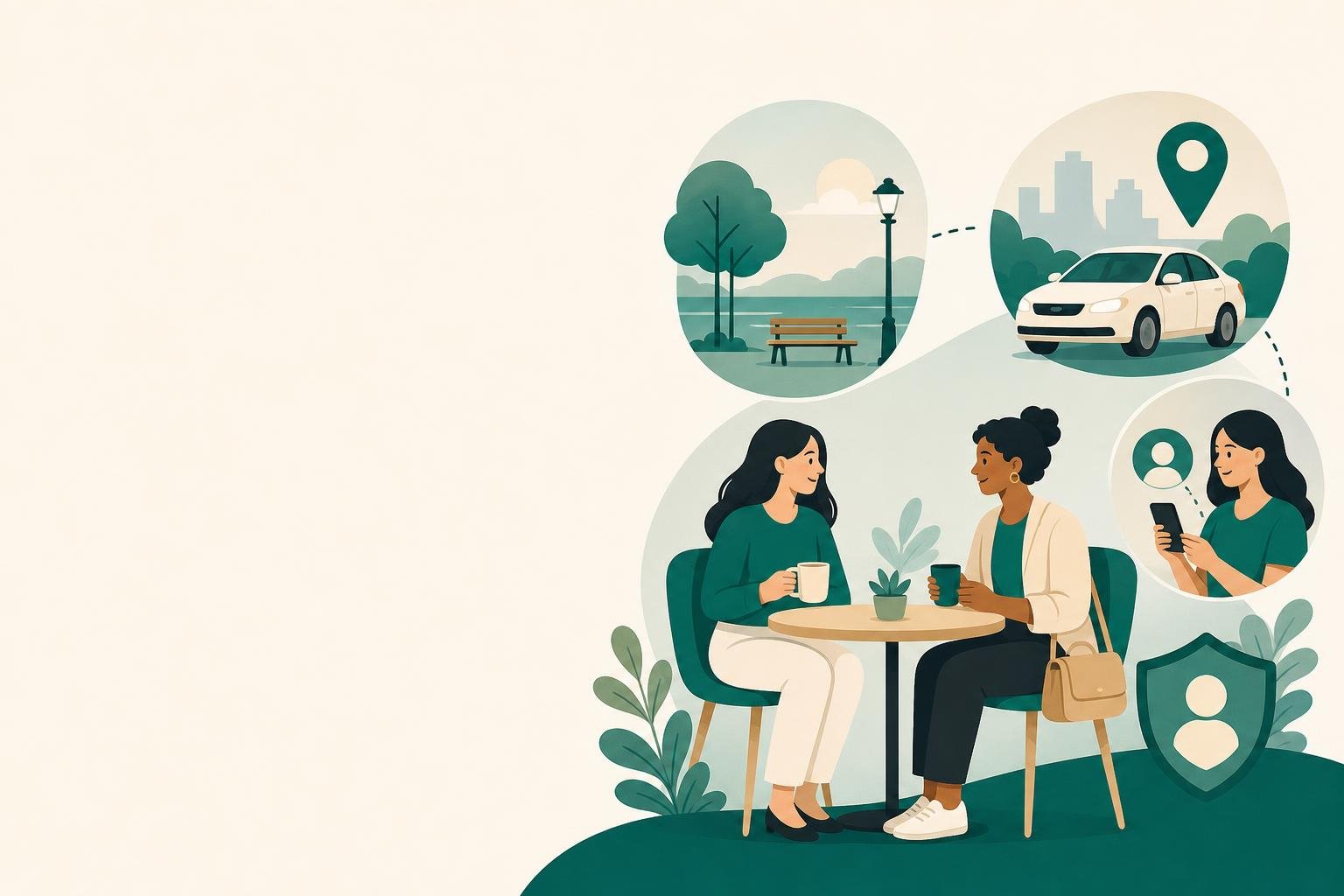
Meeting someone from a dating app in person is exciting, but it’s also the point where a little planning pays off. Most first meetups go fine. Still, a short checklist takes almost no time and removes a lot of guesswork, so you can focus on getting to know the person instead of managing logistics on the fly.
Use this as a working list, not a rulebook. Pick what fits your situation and adjust as needed.
Choose the Location Together, But Keep Control
Agree on a public place with other people around: a coffee shop, a casual restaurant, a bookstore with a cafe, or a daytime market. Avoid anyone’s home, a secluded park, or anywhere you can’t easily leave.
A few practical points:
- Suggest a place you know well. Familiar territory means you know the exits, the staff, and roughly how busy it gets.
- Pick somewhere with real seating and daytime or early evening hours, especially for a first meeting.
- If your match pushes hard for a private or unusual location and won’t budge, treat that as information. A reasonable person will understand why you prefer a public spot.
- Keep the first meetup short on purpose, an hour or so for coffee or a drink. You can always extend it if things are going well.
Arrange Your Own Transportation
Drive yourself, take a rideshare, or use public transit, and plan to leave the same way. Don’t accept a ride to or from the date with someone you just met, even if it seems convenient.
This matters for two reasons. First, it means you’re never stuck waiting on someone else’s schedule if you want to leave early. Second, it keeps your home address private until you’ve built some trust.
If you’re using a rideshare app, request it yourself rather than letting your date book it, and keep your phone charged so you can track the car and share trip details if needed.
Share Your Plans With a Friend
Before you go, tell at least one person: where you’re meeting, roughly what time you expect to be done, and basic details about your date (name, phone number if you have it, and the app or site where you matched).
A simple version of this:
- Send a quick text with the venue name, address, and time.
- Include a screenshot of your match’s profile or a link, if the app allows it.
- Set a rough check-in time, like “text you by 8:30.”
- Agree on what happens if you don’t check in. Does your friend call you? Call the venue? Wait ten more minutes?
Some people like to set up a simple code word they can text if things feel off and they want an excuse to leave. Something ordinary enough that it won’t alarm anyone nearby, but clear to your friend, like asking “did you feed the cat?” when you don’t have a cat.
Keep Your Phone Charged and Accessible
A dead phone turns small inconveniences into real problems. Charge it fully before you leave, and consider bringing a portable charger if your meetup might run long.
Many phones have built-in location sharing. Turning this on for a friend during the date, even just for a few hours, is a low-effort safety step. You can turn it off afterward.
Set a Personal Exit Plan
Decide in advance how you’ll leave if you want to, no explanation required. You don’t owe anyone a lengthy justification for ending a date early.
Simple exit lines that work:
- “I’ve got an early morning, so I should head out.”
- “This was nice, but I don’t think we’re a match. Thanks for meeting up.”
- “I need to get going, take care.”
If you ever feel genuinely unsafe rather than just uninterested, you don’t need a polite line at all. Get up, go to the counter or another staff member, and ask for help if you need it.
Keep Alcohol Light, If You Drink at All
If you’re having a drink, pace yourself and keep an eye on your glass. Order your own drinks and watch them being made or poured when possible. This isn’t about distrust of your specific date so much as a habit worth keeping in any new social situation.
Staying clear-headed also means you’ll trust your own read on the situation more. If something feels off, you want to be able to notice it and act on it.
Trust Specific Signals, Not Just a Vague Feeling
Sometimes nothing is dramatically wrong, but small things add up: your date is vague about basic details that don’t match their profile, pressures you to change plans to somewhere more private, or gets irritated when you mention a friend knows where you are. None of these guarantee a problem, but they’re worth paying attention to rather than explaining away.
You’re allowed to leave early for any reason, including no reason at all. You don’t need proof of bad intent to prioritize your own comfort.
Build the Habit Over Time
After a few meetups, this checklist becomes automatic: pick a public spot, arrange your own ride, tell a friend, keep your phone charged, plan an exit. It takes a few minutes of prep and gives you one less thing to think about once you’re actually sitting across from someone, which is where your attention should be.
Safety planning isn’t a sign you expect the worst. It’s just a sensible habit, the same way you’d check a map before driving somewhere new or glance at reviews before trying a new restaurant. A little structure up front leaves more room for the date itself to go well.
Remember: this guide is general information, not professional advice for your specific situation. For decisions with real stakes, check with a qualified professional.